
Financial Position
Principles and goals of financial management
Financial management in the Volkswagen Group covers liquidity management, the management of currency, interest rate and commodity price risks, and credit and country risk management. It is performed centrally for all Group companies by Group Treasury, based on internal guidelines and risk parameters. Some functions of the Everllence (formerly MAN Energy Solutions), Porsche AG, Porsche Holding Salzburg and TRATON GROUP subgroups and of the Financial Services Division are included in the financial management and, in addition, have their own financial management structures.
The goal of financial management is to ensure that the Volkswagen Group remains solvent at all times and, at the same time, to generate an adequate return from the investment of surplus funds. We use a liquidity pooling system to optimize the use of existing liquidity between the significant companies. Among other features of this system, the balances, either positive or negative, accumulating in cash pooling accounts are swept daily into a regional target account and thus pooled. The overriding aim of currency, interest rate and commodity risk management is to hedge, using derivative financial instruments and commodity forwards, the prices on which investment, production and sales plans are based when making planning assumptions and to mitigate interest rate risks incurred in financing transactions. In the management of credit and country risk, diversification is used to limit the Volkswagen Group’s exposure to counterparty risk. To achieve this, counterparty risk management imposes internal limits on the volume of business allowed per counterparty when financial transactions are entered into. Various credit rating criteria are applied in this process. These focus primarily on the capital resources of potential counterparties, as well as the ratings awarded by independent agencies. The relevant risk limits and the authorized financial instruments, hedging methods and hedging horizons are approved by the Group Board of Management Committee for Risk Management. For additional information on the principles and goals of financial management, please refer to the chapter on “Financial risk management and financial instruments” in the notes to the consolidated financial statements.
Financial position of the Group
In the period from January to December 2025, the Volkswagen Group’s gross cash flow decreased by €4.4 billion to €41.6 billion year-on-year, driven in particular by earnings-related factors. The change in working capital amounted to €−26.6 (−28.9) billion; in the reporting year, this was mainly attributable to an increase in liabilities and other provisions, offset by a rise in lease assets and financial services receivables.
Cash flows from operating activities went down by €2.1 billion to €15.0 billion in fiscal year 2025.
At €25.1 (28.9) billion, the Volkswagen Group’s investing activities attributable to operating activities experienced a significant decline. There was a significant decrease both in investments in property, plant and equipment, investment property and intangible assets, excluding capitalized development costs (capex) as well as in capitalized development costs. Expenses for mergers and acquisitions also decreased.
The Volkswagen Group’s financing activities generated a total cash inflow of €11.9 (11.1) billion. Financing activities mainly relate to the issuance and redemption of bonds and notes, changes in other financial liabilities and dividend payments. At the end of the reporting year, the Volkswagen Group reported cash and cash equivalents of €38.8 billion in its cash flow statement. At the end of December 2024 this item had amounted to €40.3 billion.
On December 31, 2025, the Volkswagen Group’s net liquidity stood at €−178.5 billion; it had amounted to €−169.1 billion at the end of 2024.
|
|
VOLKSWAGEN GROUP |
|
AUTOMOTIVE |
|
FINANCIAL SERVICES |
|
CONSOLIDATION ADJUSTMENTS1 |
||||||||||||||||||||||||
|---|---|---|---|---|---|---|---|---|---|---|---|---|---|---|---|---|---|---|---|---|---|---|---|---|---|---|---|---|---|---|---|---|
€ million |
|
2025 |
|
2024 |
|
2025 |
|
20242 |
|
2025 |
|
2024 |
|
2025 |
|
2024 |
||||||||||||||||
|
|
|
|
|
|
|
|
|
|
|
|
|
|
|
|
|
||||||||||||||||
Cash and cash equivalents at beginning of period |
|
40,296 |
|
43,522 |
|
28,088 |
|
31,834 |
|
16,196 |
|
14,819 |
|
−3,988 |
|
−3,131 |
||||||||||||||||
Earnings before tax |
|
9,307 |
|
16,806 |
|
6,709 |
|
15,572 |
|
3,340 |
|
2,994 |
|
−742 |
|
−1,761 |
||||||||||||||||
Income taxes paid |
|
−5,152 |
|
−6,187 |
|
−4,532 |
|
−5,177 |
|
−1,255 |
|
−1,228 |
|
635 |
|
217 |
||||||||||||||||
Depreciation and amortization expense3 |
|
37,472 |
|
32,056 |
|
26,823 |
|
21,668 |
|
12,304 |
|
11,201 |
|
−1,656 |
|
−814 |
||||||||||||||||
Change in pension provisions |
|
84 |
|
−19 |
|
80 |
|
−25 |
|
5 |
|
6 |
|
−1 |
|
– |
||||||||||||||||
Share of the result of equity-accounted investments |
|
968 |
|
2,362 |
|
696 |
|
2,135 |
|
271 |
|
227 |
|
– |
|
– |
||||||||||||||||
Other non-cash income/expense and reclassifications4 |
|
−1,042 |
|
1,013 |
|
−1,114 |
|
1,172 |
|
−308 |
|
−125 |
|
379 |
|
−34 |
||||||||||||||||
Gross cash flow |
|
41,637 |
|
46,030 |
|
28,662 |
|
35,346 |
|
14,359 |
|
13,074 |
|
−1,384 |
|
−2,391 |
||||||||||||||||
Change in working capital |
|
−26,628 |
|
−28,879 |
|
2,744 |
|
−1,083 |
|
−29,195 |
|
−28,907 |
|
−176 |
|
1,111 |
||||||||||||||||
Change in inventories |
|
−896 |
|
−2,695 |
|
561 |
|
−1,436 |
|
−1,468 |
|
−1,235 |
|
10 |
|
−24 |
||||||||||||||||
Change in receivables |
|
−211 |
|
−2,083 |
|
478 |
|
−2,339 |
|
−917 |
|
−418 |
|
228 |
|
674 |
||||||||||||||||
Change in liabilities |
|
3,165 |
|
52 |
|
2,054 |
|
−1,012 |
|
1,720 |
|
823 |
|
−609 |
|
242 |
||||||||||||||||
Change in other provisions |
|
1,676 |
|
4,266 |
|
905 |
|
4,243 |
|
760 |
|
98 |
|
10 |
|
−76 |
||||||||||||||||
Change in lease assets (excluding depreciation) |
|
−24,166 |
|
−19,358 |
|
−1,246 |
|
−541 |
|
−23,487 |
|
−19,291 |
|
568 |
|
473 |
||||||||||||||||
Change in financial services receivables |
|
−6,196 |
|
−9,061 |
|
−9 |
|
1 |
|
−5,803 |
|
−8,883 |
|
−383 |
|
−179 |
||||||||||||||||
Cash flows from operating activities |
|
15,009 |
|
17,151 |
|
31,406 |
|
34,263 |
|
−14,836 |
|
−15,832 |
|
−1,560 |
|
−1,280 |
||||||||||||||||
Cash flows from investing activities attributable to operating activities |
|
−25,060 |
|
−28,853 |
|
−24,961 |
|
−29,077 |
|
−513 |
|
−883 |
|
414 |
|
1,107 |
||||||||||||||||
of which: investments in property, plant and equipment, investment property and intangible assets, excluding capitalized development costs |
|
−15,299 |
|
−17,202 |
|
−14,952 |
|
−16,872 |
|
−270 |
|
−253 |
|
−78 |
|
−77 |
||||||||||||||||
capitalized development costs |
|
−9,047 |
|
−10,244 |
|
−9,047 |
|
−10,244 |
|
– |
|
– |
|
– |
|
– |
||||||||||||||||
acquisition and disposal of equity investments |
|
−1,447 |
|
−2,354 |
|
−1,499 |
|
−2,591 |
|
−305 |
|
−672 |
|
357 |
|
909 |
||||||||||||||||
Net cash flow5 |
|
−10,051 |
|
−11,702 |
|
6,445 |
|
5,186 |
|
−15,350 |
|
−16,715 |
|
−1,146 |
|
−173 |
||||||||||||||||
Change in investments in securities and time deposits, as well as in loans |
|
−2,423 |
|
−2,720 |
|
−947 |
|
−10,630 |
|
−959 |
|
1,686 |
|
−517 |
|
6,224 |
||||||||||||||||
Cash flows from investing activities |
|
−27,484 |
|
−31,573 |
|
−25,908 |
|
−39,707 |
|
−1,473 |
|
804 |
|
−103 |
|
7,331 |
||||||||||||||||
Cash flows from financing activities |
|
11,918 |
|
11,140 |
|
−1,992 |
|
1,649 |
|
12,767 |
|
16,479 |
|
1,143 |
|
−6,989 |
||||||||||||||||
of which: capital transactions with non-controlling interests |
|
352 |
|
– |
|
352 |
|
– |
|
– |
|
– |
|
– |
|
– |
||||||||||||||||
capital contributions/capital redemptions |
|
420 |
|
−1,144 |
|
475 |
|
−1,222 |
|
257 |
|
699 |
|
−311 |
|
−621 |
||||||||||||||||
Effect of exchange rate changes on cash and cash equivalents |
|
−938 |
|
55 |
|
−1,048 |
|
48 |
|
−73 |
|
−73 |
|
182 |
|
80 |
||||||||||||||||
Change of loss allowance within cash and cash equivalents |
|
−0 |
|
1 |
|
−0 |
|
2 |
|
0 |
|
−1 |
|
0 |
|
−0 |
||||||||||||||||
Net change in cash and cash equivalents |
|
−1,495 |
|
−3,226 |
|
2,458 |
|
−3,746 |
|
−3,615 |
|
1,377 |
|
−338 |
|
−858 |
||||||||||||||||
|
|
|
|
|
|
|
|
|
|
|
|
|
|
|
|
|
||||||||||||||||
Cash and cash equivalents at Dec. 316 |
|
38,801 |
|
40,296 |
|
30,546 |
|
28,088 |
|
12,581 |
|
16,196 |
|
−4,326 |
|
−3,988 |
||||||||||||||||
Securities and time deposits, as well as loans |
|
47,395 |
|
44,662 |
|
77,991 |
|
79,289 |
|
20,377 |
|
19,487 |
|
−50,973 |
|
−54,114 |
||||||||||||||||
Gross liquidity |
|
86,197 |
|
84,959 |
|
108,537 |
|
107,377 |
|
32,958 |
|
35,683 |
|
−55,299 |
|
−58,102 |
||||||||||||||||
Total third-party borrowings |
|
−264,703 |
|
−254,081 |
|
−74,041 |
|
−72,963 |
|
−247,525 |
|
−240,871 |
|
56,862 |
|
59,754 |
||||||||||||||||
Net liquidity at Dec. 317 |
|
−178,506 |
|
−169,122 |
|
34,497 |
|
34,414 |
|
−214,566 |
|
−205,188 |
|
1,563 |
|
1,652 |
||||||||||||||||
|
||||||||||||||||||||||||||||||||
AUTOMOTIVE DIVISION NET CASH FLOW 2025
€ billion
Financial position of the Automotive Division
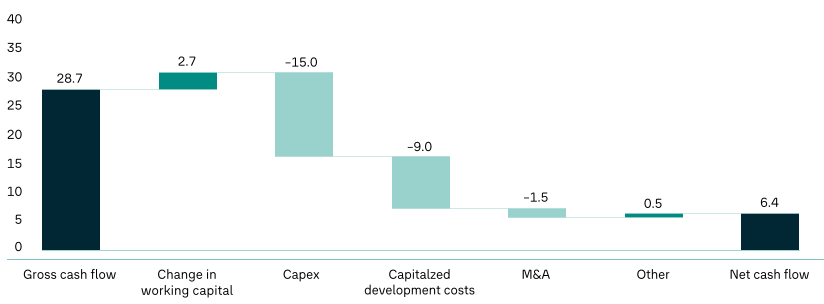
In the reporting period, the Automotive Division recorded gross cash flow of €28.7 (35.3) billion. The decline was primarily attributable to lower earnings, offset by a reduction in income tax payments. Porsche’s impairment losses on goodwill and capitalized project costs and measurement effects relating to hedging transactions, which are included in earnings, are non-cash items and therefore have to be eliminated from gross cash flow in the cash flow statement when using the indirect method. The change in working capital rose to €2.7 (−1.1) billion; in the reporting year, this was primarily attributable to an increase in liabilities and other provisions, offset by a rise in lease assets. Cash flows from operating activities went down by €2.9 billion to €31.4 billion.
In the period from January to December 2025, investing activities attributable to operating activities declined by€4.1 billion to €25.0 billion. Within this figure, capex stood at €15.0 (16.9) billion, down significantly on the prior-year figure. The capex ratio was 5.1 (5.8)%. Here, significant portions of capex were allocated to plants for the production of electric vehicles, to the associated battery technologies, and to electric toolkits and platforms as key components of the Company’s transformation into a Global Automotive Tech Driver. Other focus areas are the digitalization of our products, measures to cut carbon emissions, the promotion of sustainable production processes, and the expansion of our presence in markets such as North America and China. Additions to capitalized development costs were also down significantly at €9.0 (10.2) billion. The “Acquisition and disposal of equity investments” item amounted to €−1.5 (−2.6) billion; it primarily included the increase in our equity investment in Rivian.
Net cash flow in the Automotive Division went up to €6.4 (5.2) billion, driven in particular by our investment discipline, which was intensified in the course of the year, and a positive change in working capital towards the end of the fiscal year. The cash conversion rate, which is the ratio of the Automotive Division’s net cash flow to operating result, stood at 122.1 (31.8)% at the end of 2025.
At the end of the reporting year, the Automotive Division’s financing activities led to a cash outflow of €−2.0 billion. This related mainly to the issuance and redemption of bonds and notes, changes in other financial liabilities, the dividends totaling €3.8 billion paid to the shareholders of Volkswagen AG, Porsche AG and TRATON SE from the respective appropriation of net profit for fiscal year 2024, and the redemption of the hybrid note of €1.5 billion called in due time as of June 2025. The sale of shares in TRATON led to a cash inflow of €0.4 billion. The green hybrid notes issued via Volkswagen International Finance N.V. in May 2025 in a total nominal amount of €1.9 billion gave rise to a cash inflow in the reporting year. These notes consist firstly of a note of €1.15 billion with a coupon of 5.994%, which can be called after eight-and-a-half years at the earliest, and secondly of a note of €0.75 billion with a coupon of 5.493%, which can be called after five-and-a-half years at the earliest. Both notes have indefinite maturities and increase both net liquidity and equity after the deduction of transaction and other costs. In the prior-year period, financing activities had led to a cash inflow of €1.6 billion.
At the end of fiscal year 2025, the Automotive Division reported sound net liquidity of €34.5 billion, compared with €34.4 billion at the end of December 2024. The Automotive Division’s net liquidity as a proportion of consolidated sales revenue was 10.7 (10.6)% in the reporting year, almost unchanged from the previous year.
Financial position of the Financial Services Division
The Financial Services Division generated gross cash flow of €14.4 (13.1) billion in the period from January to December 2025. The change in working capital amounted to €−29.2 (−28.9) billion. An increase in lease assets, receivables and inventories was set against a rise in liabilities, leading to a slight year-on-year expansion in funds tied up in working capital. As a result, cash flows from operating activities stood at €−14.8 (−15.8) billion.
Investing activities attributable to operating activities contracted to €0.5 (0.9) billion.
The Financial Services Division’s financing activities generated a cash inflow of €12.8 (16.5) billion in the reporting year. This figure relates primarily to the issuance and redemption of bonds, notes and other financial liabilities.
At the end of 2025, the Financial Services Division’s negative net liquidity, which is common in the industry, was €−214.6 billion, as against €−205.2 billion at the end of 2024.